
Planning a Construction Project Before Winter Hits in South Dakota
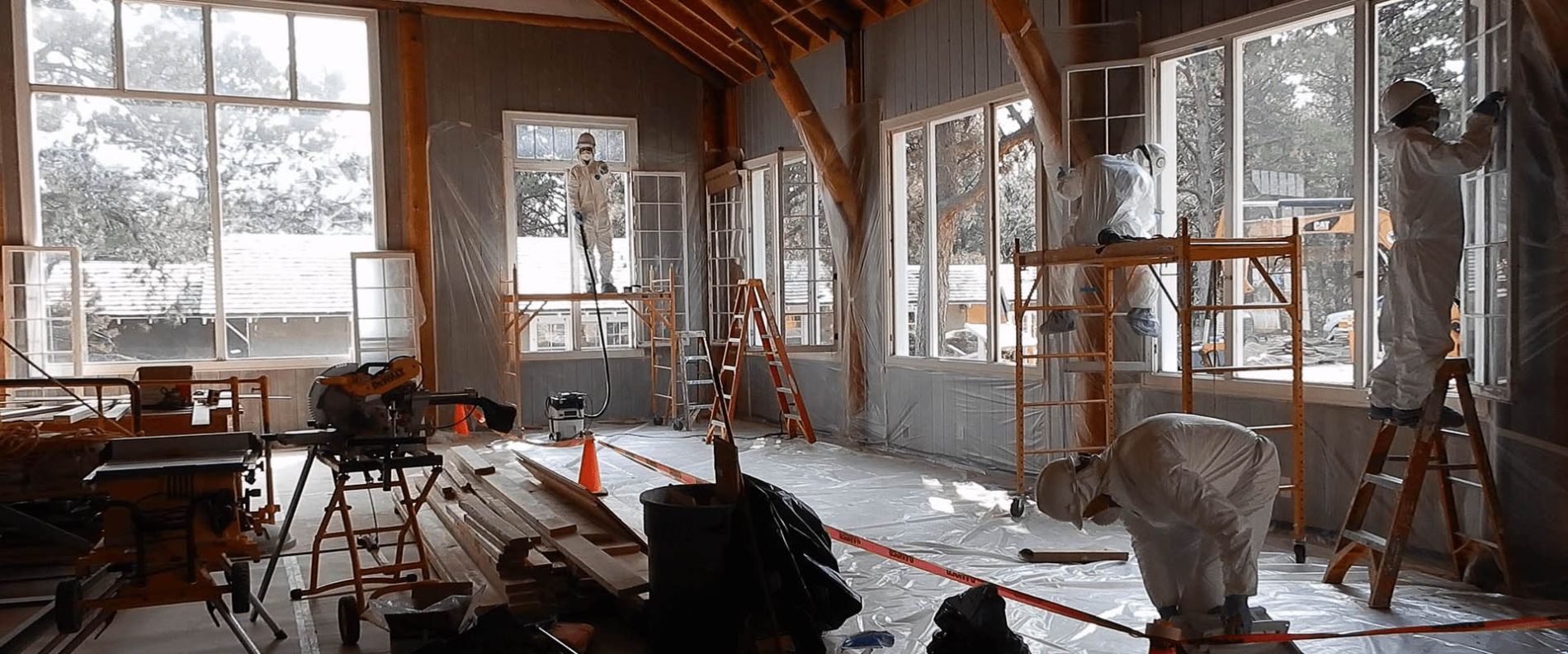
As the temperature drops and leaves begin to fall in the Black Hills, it’s time to reconsider those pending projects you’ve had hanging over your head this year. Planning construction before winter in South Dakota requires more than choosing a start date and hoping the weather cooperates. For residential and commercial projects, fall is the time to confirm scope, budgets, permits, materials, subcontractors, and site protection before colder temperatures slow the work. A Rapid City general contractor like Rangel Construction can help turn late-season urgency into a practical plan that protects quality, schedule, and cost control.
Why Should Fall Planning Start Before the First Hard Freeze?
Fall planning should start early because the construction window in South Dakota can narrow quickly once freezing temperatures, snow, and shorter daylight hours arrive. Concrete placement, excavation, roofing, exterior finishes, utility work, and site access all become more complicated when ground conditions change. The strongest South Dakota construction timeline is built before those conditions become daily constraints.
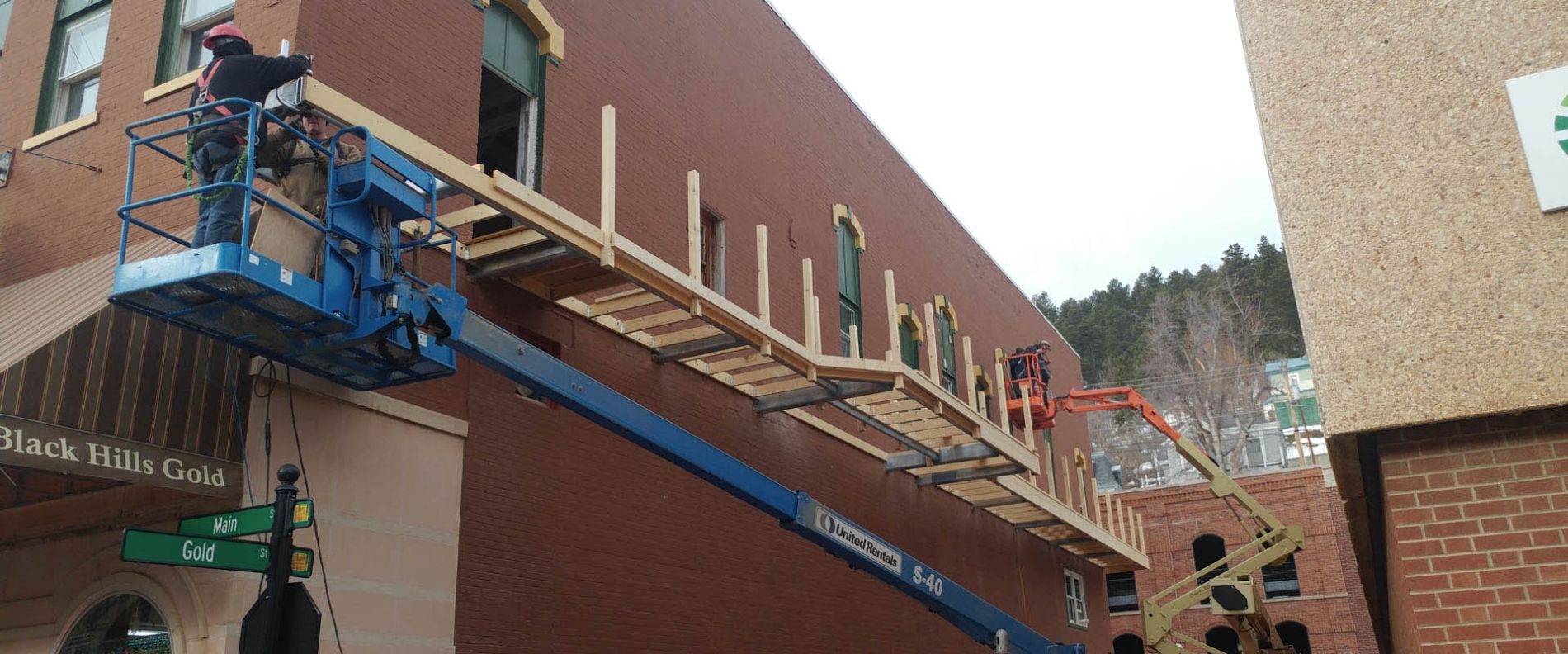
Late-season construction is not automatically a problem. Many projects move forward successfully in fall and winter when the team understands what work must be completed before cold weather and what work can continue safely indoors. The key is sequencing. A project manager should know which tasks are weather-sensitive, which materials have long lead times, and which decisions must be made before crews are scheduled.
For home construction or renovation, this may mean prioritizing foundation work, framing, dry-in, windows, exterior doors, and temporary heat. For commercial construction, the focus may include site utilities, structural steel, enclosure, mechanical rough-ins, and coordinating inspections before winter conditions make access more difficult.
A Practical Time to Connect with a Rapid City General Contractor

Hiring a general contractor in Rapid City during fall gives the project team time to evaluate the site, confirm constructability, and prepare a realistic schedule before winter limits options. Rapid City projects often face changing weather, wind exposure, and varied site conditions, especially on sloped lots, rural edges, or commercial parcels with utility and access requirements. A local contractor understands how these conditions affect mobilization, deliveries, excavation, and winter protection.
Fall also gives owners and project managers a clearer view of what must happen before year-end and what should be scheduled for spring. This is especially useful for renovation work, additions, tenant improvements, and preconstruction planning. Instead of waiting until spring when many contractors are already booked, engaging early allows time to define scope, review drawings, order key materials, and reserve subcontractor availability.
Fall also gives owners and project managers a clearer view of what must happen before year-end and what should be scheduled for spring. This is especially useful for renovation work, additions, tenant improvements, and preconstruction planning. Instead of waiting until spring when many contractors are already booked, engaging early allows time to define scope, review drawings, order key materials, and reserve subcontractor availability.
For anyone searching for construction services in Rapid City late in the year, the real advantage is preparation. A contractor can identify whether a project is ready to build, whether it needs design refinement, or whether preconstruction planning is the smarter first step.
The Work that Should Be Planned in Advance
Late-season projects require more upfront coordination because weather reduces the margin for error. A missed delivery, delayed permit, or unclear drawing can push exterior work into poor conditions. Planning ahead helps the project manager control risk rather than react to it.
Key items to confirm before winter include:
- Project scope: Define exactly what is included, excluded, and deferred. This prevents confusion when weather forces schedule adjustments.
- Permits and inspections: Confirm local requirements early so approvals do not become the reason work stalls.
- Site access: Plan where crews, equipment, dumpsters, and deliveries will enter the site if snow, mud, or freezing conditions occur.
- Weather-sensitive work: Identify concrete, excavation, roofing, waterproofing, siding, and exterior flatwork that may require special timing or protection.
- Material lead times: Order windows, doors, steel, mechanical equipment, cabinets, and specialty finishes early when they affect the critical path.
- Temporary protection: Budget for heaters, enclosures, ground cover, lighting, snow removal, and safety measures.
- Subcontractor sequencing: Confirm which trades must finish before others can begin, especially before the building is enclosed.
This level of planning is useful for both residential and commercial work, but the complexity differs. A home renovation may hinge on homeowner selections and maintaining livable space. A commercial project may require phased occupancy, code compliance, utility coordination, and more formal documentation.
How Does the South Dakota Construction Timeline Change Later in the Year?

In any region, construction timelines can be heavily influenced by budget, permits and approvals, material availability, labor shortages, communication, weather and site conditions. In South Dakota, construction timeline can change in late season because exterior production becomes less predictable while interior work becomes more valuable. A well-managed project uses fall to complete site work and enclosure, then shifts winter effort toward framing, mechanical systems, electrical rough-in, insulation, drywall, and interior finishes when possible.
In residential construction, the ideal late-season goal is often to get the structure dried in. Once the roof, windows, doors, and exterior weather barriers are in place, crews can protect the interior and continue working more efficiently. For remodels, fall may be a good time to start kitchens, basements, bathrooms, flooring, and insulation upgrades if materials and selections are ready.
In commercial construction, winter strategy often depends on the building type. A retail build-out may proceed mostly indoors if the shell is complete. A new warehouse, clinic, office, or mixed-use structure may need careful coordination around foundations, steel erection, roofing, and mechanical systems before interior trades can work at full speed.
The main principle is simple: complete the work that depends on open ground and exterior access first, then move labor into protected spaces as weather worsens.
Residential and Commercial Projects Require Different Strategies


A strong late-season plan separates residential concerns from commercial requirements. The same contractor may manage both, but the structure of the work is not the same.
For residential projects, the project manager often balances budget, selections, family schedules, and disruption to daily life. A homeowner may need temporary kitchen access, dust control, safe entryways, or phased work around holidays. Weather matters, but so does communication. Clear weekly updates help homeowners understand why crews may shift from exterior work to interior tasks when conditions change.
For commercial projects, the schedule is usually tied to business operations, lease dates, revenue, or regulatory requirements. A delay may affect staff, customers, tenants, or equipment installation. Documentation, change control, safety planning, and trade coordination become even more important. Late-season commercial planning should include contingency time for inspections, utility connections, and owner-supplied equipment.
Both project types benefit from early contractor involvement. The earlier a general contractor reviews the drawings, site conditions, and budget, the easier it is to catch problems before they become expensive field changes.
Practical Steps for Planning Construction Before Winter
A project manager can improve late-season efficiency by using a structured preconstruction process. This does not need to be complicated, but it should be disciplined.
- Review the project goals. Confirm whether the priority is speed, budget control, weather protection, occupancy, or getting ready for a spring start.
- Walk the site with the contractor. Look for drainage issues, access constraints, existing utilities, demolition needs, and storage areas.
- Classify the work by season. Separate tasks into fall-critical, winter-possible, and spring-deferred categories.
- Confirm drawings and selections. Incomplete decisions lead to delays, especially for windows, doors, fixtures, finishes, and mechanical equipment.
- Build a realistic schedule. Include weather allowances, inspection timing, delivery dates, and crew availability.
- Plan protection and safety. Account for temporary heat, lighting, snow removal, ice control, and enclosed work zones.
- Communicate changes quickly. When weather shifts, the project team should know the next best task, not wait for direction.
These steps support better decision-making whether the project is a custom home, addition, renovation, office build-out, or larger commercial facility.
Fall Planning Reduces Risk Before Winter Work Begins
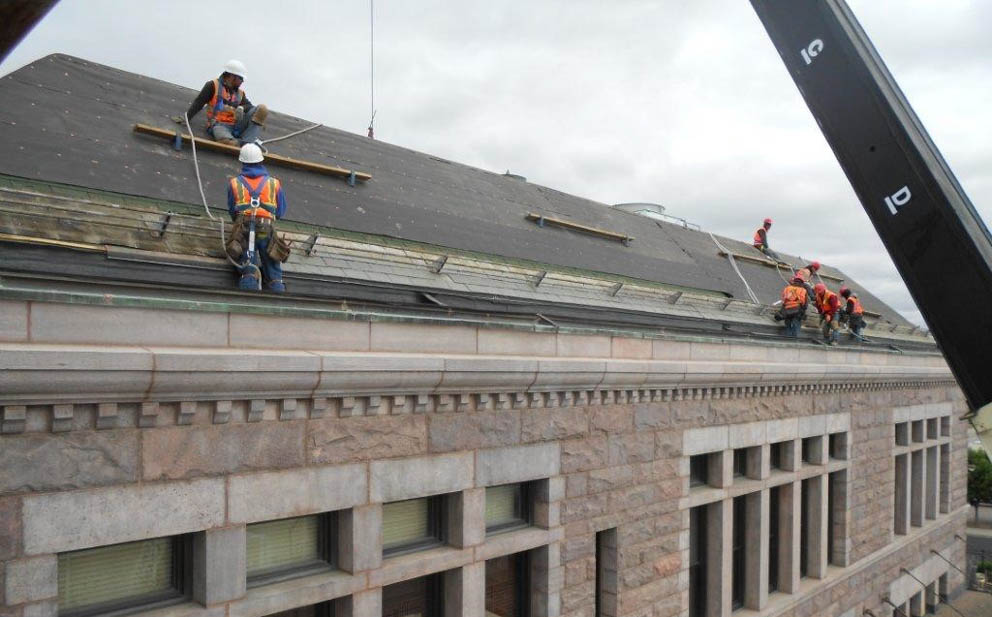
The best late-season construction plans are honest about constraints. South Dakota weather can be demanding, and not every task should be forced into winter conditions. However, with early planning, a qualified contractor can often preserve momentum, protect completed work, and position the project for a stronger finish.
When it comes to construction in South Dakota, experience matters. Rangel Construction has built a reputation for delivering quality projects while successfully navigating the region's harsh winters, shifting temperatures, and changing weather conditions. From pre-construction planning to project completion, our team helps eliminate surprises and keeps your investment protected every step of the way. If you're looking for a Rapid City general contractor who understands local challenges and knows how to plan around them, contact Rangel Construction today and discover the difference local expertise can make.
Last Modified: