
The Best Time to Start Your Construction Project in the Black Hills
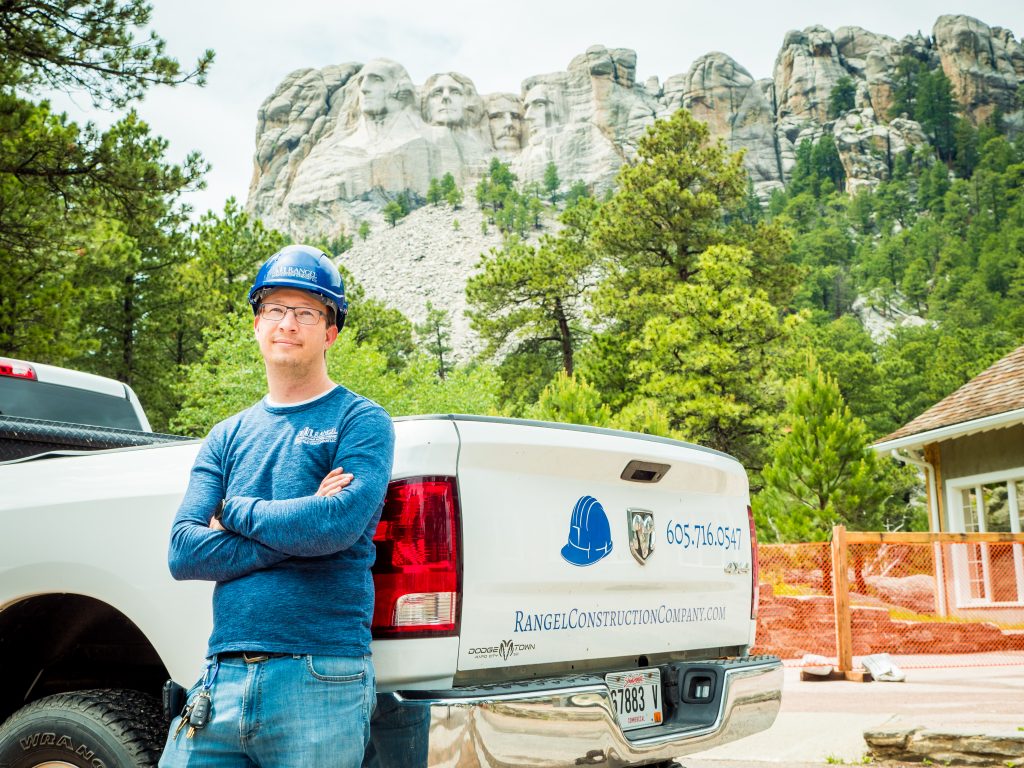
Building a home in South Dakota, particularly in the stunning and rugged western half of the state, is a dream for many families and investors. However, executing a seamless build in this region requires more than just a great architectural design. Mastering seasonal planning for starting construction projects in Rapid City and the Black Hills: weather, permitting, timelines, and contractor availability, is the ultimate key to bringing your vision to life without costly setbacks.
A Construction Company That Puts Its People First
The local climate dictates almost every phase of building in the Black Hills. From freezing winter temperatures to volatile summer storms, understanding the weather’s impact is vital for keeping your build on track.
Winter vs. Spring Groundbreaking
When determining the best time for construction, you must carefully weigh the pros and cons of winter vs spring groundbreaking in the Black Hills. Spring is widely considered the best time of year to build a house in South Dakota. By breaking ground in April or May, crews can complete the excavation and foundation work before the intense heat of summer, allowing the framing and exterior work to be finished before the snow flies again.
However, spring comes with its own challenges. You must account for the impact of seasonal precipitation on excavation schedules. Heavy spring rains and melting snow can quickly turn a job site into a mud pit, making it impossible for heavy machinery to dig without compromising the integrity of the site.
Overcoming Cold Weather Challenges
If you decide to push forward with a late fall or winter groundbreaking, you will face freezing temperatures. Builders must account for the depth of frost line for Rapid City foundations, which typically requires digging down at least 42 inches to ensure footings rest on unfrozen, stable ground.
Furthermore, pouring a foundation in sub-zero temperatures requires specialized cold-weather concrete-pouring techniques in South Dakota. Contractors will often use ground thawing blankets, heated enclosures, and specialized chemical accelerators in the concrete mix to prevent the water in the cement from freezing before it cures.
Managing Rain and Wind
Even after the foundation is poured and the walls are up, weather remains a factor. Rapid City is known for sudden, severe hailstorms and high winds during the summer months. These unpredictable conditions can cause significant weather delays for roofing projects in Rapid City. Scheduling exterior shell work during early summer mornings or late summer/early fall when the weather patterns stabilize is a smart strategy.
Navigating Permitting and Local Guidelines
Contractor Availability and Material Sourcing
In a growing market, finding the right professionals and securing materials on time takes proactive planning.
Building Your Dream Team With Rangel Construction
Supply Chain Dynamics and Local Events
You must also consider the logistics of scheduling construction around Black Hills tourist season. Every August, the Sturgis Motorcycle Rally brings hundreds of thousands of visitors to the area. The resulting traffic can delay material deliveries, slow down daily commutes for construction crews, and make securing temporary housing for out-of-town specialty workers nearly impossible.
The Advantage of Planning Early
This highlights the immense benefits of fall construction planning. By finalizing your designs, securing financing, and signing a contract with a builder in October or November, you get ahead of the spring rush. This allows your builder to order long-lead materials through the winter, ensuring everything is on-site and ready to go the moment the spring thaw arrives.
Structuring Your Construction Project Schedule
By following a construction plan that respects the local climate and economic rhythms of the Black Hills, you give your project the best possible chance for success.
Building in the Rapid City area is an incredibly rewarding investment, offering access to some of the most beautiful landscapes in the country. But success doesn’t happen by accident; it comes from working with a contractor who understands local weather patterns, navigates municipal requirements with confidence, and plans ahead to avoid costly delays.
That’s exactly what you get with Rangel Construction. Our team brings local expertise, proven processes, and strong industry relationships to every project, helping you eliminate stress and move forward with confidence. From early planning through final walkthrough, we ensure your home or commercial build stays on schedule, on budget, and built to last.
Plan ahead, trust the right partner, and enjoy the process because with Rangel Construction, building in the Black Hills is done the right way from day one.
Contact Us!
Last Modified: